Real cards. Real PSA grades.
Real AuraGrade predictions.
Each card below already has a PSA grade. We ran every one through the full AuraGrade pipeline — same Claude Opus 4.8 Vision, same rubric — then placed our prediction next to PSA's actual result. Click any card for the full inspection report.


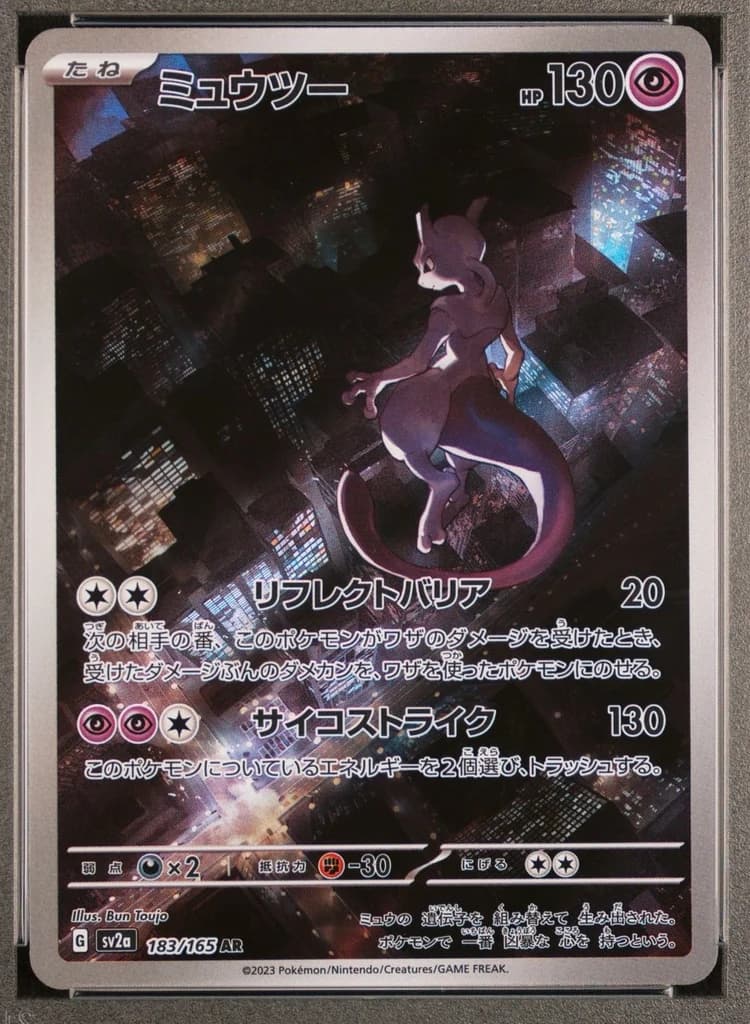
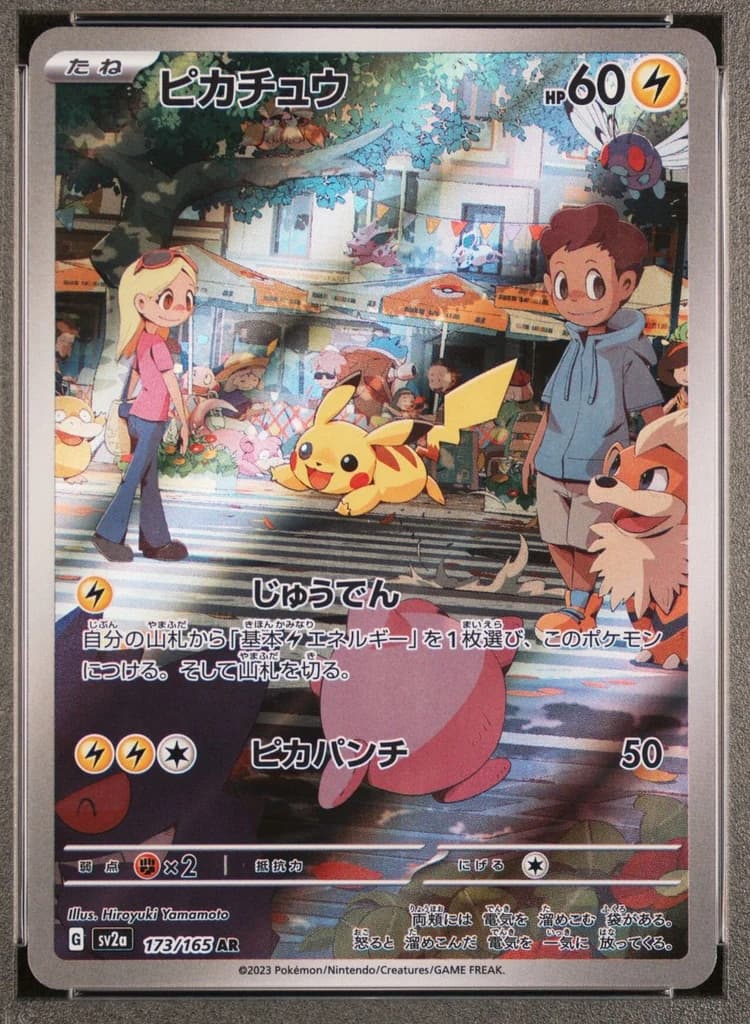
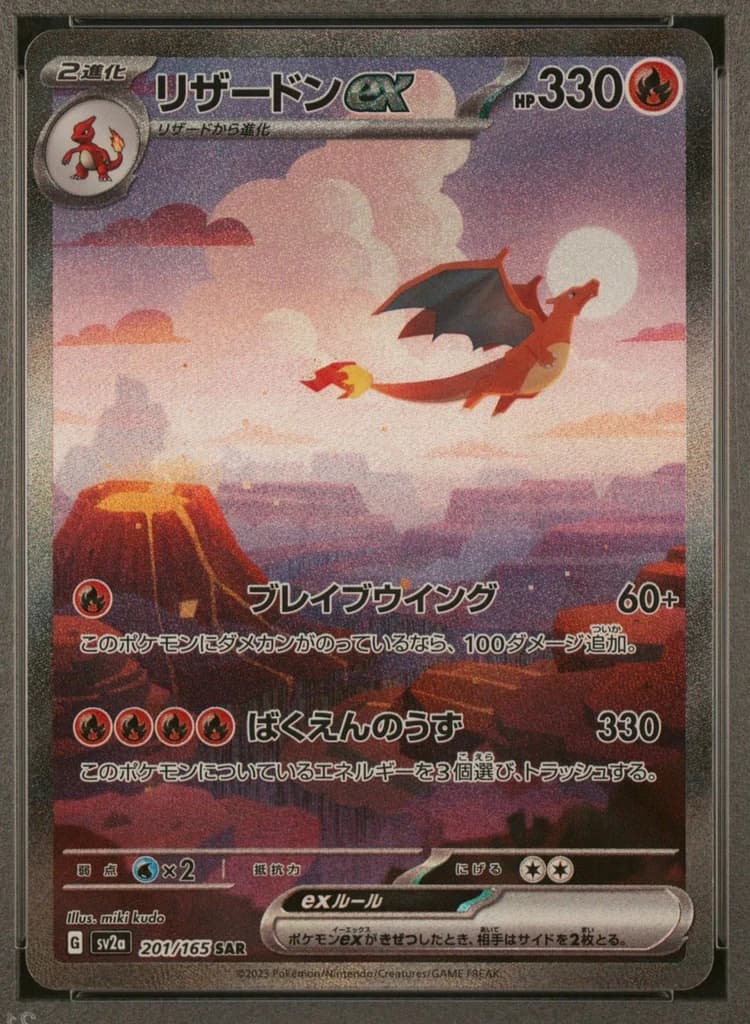

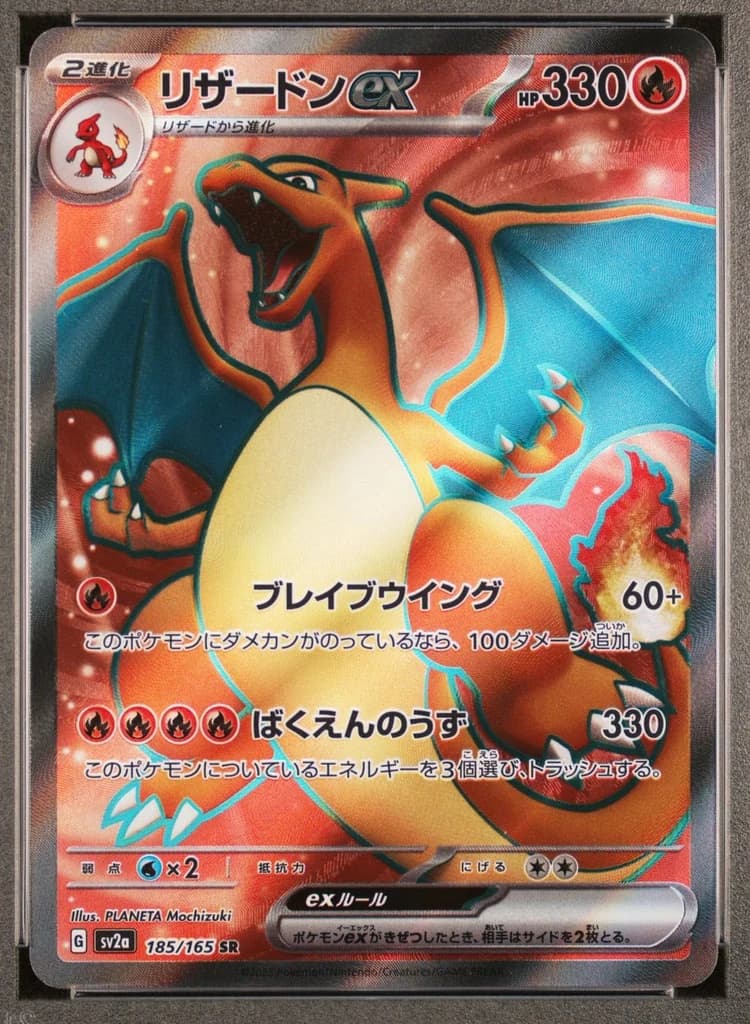
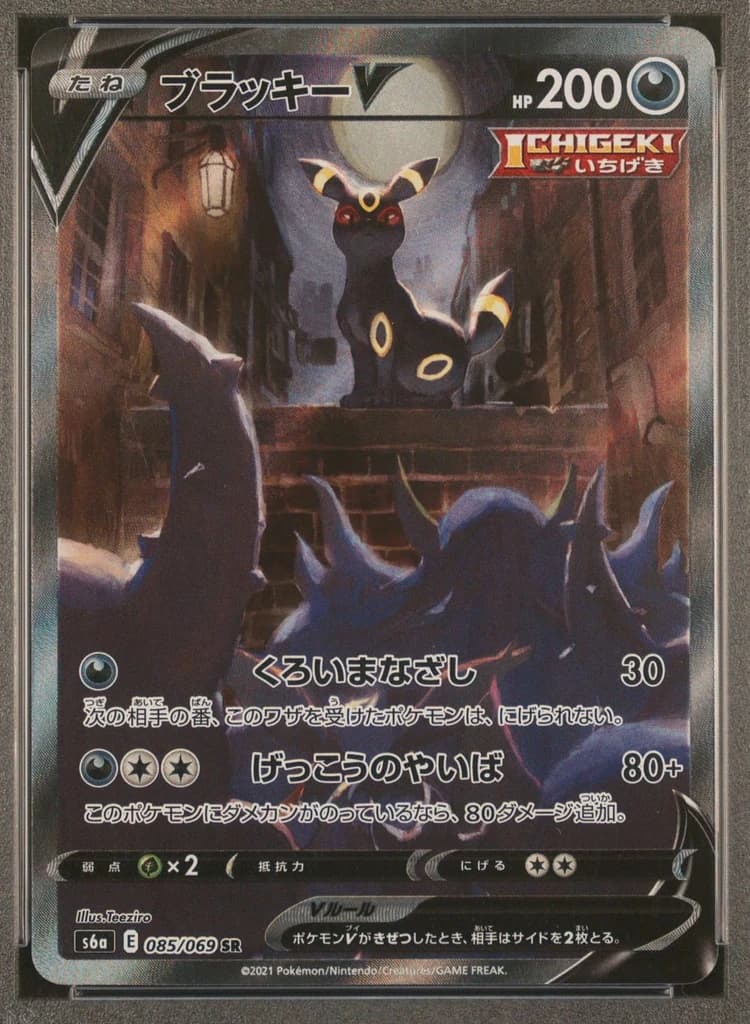
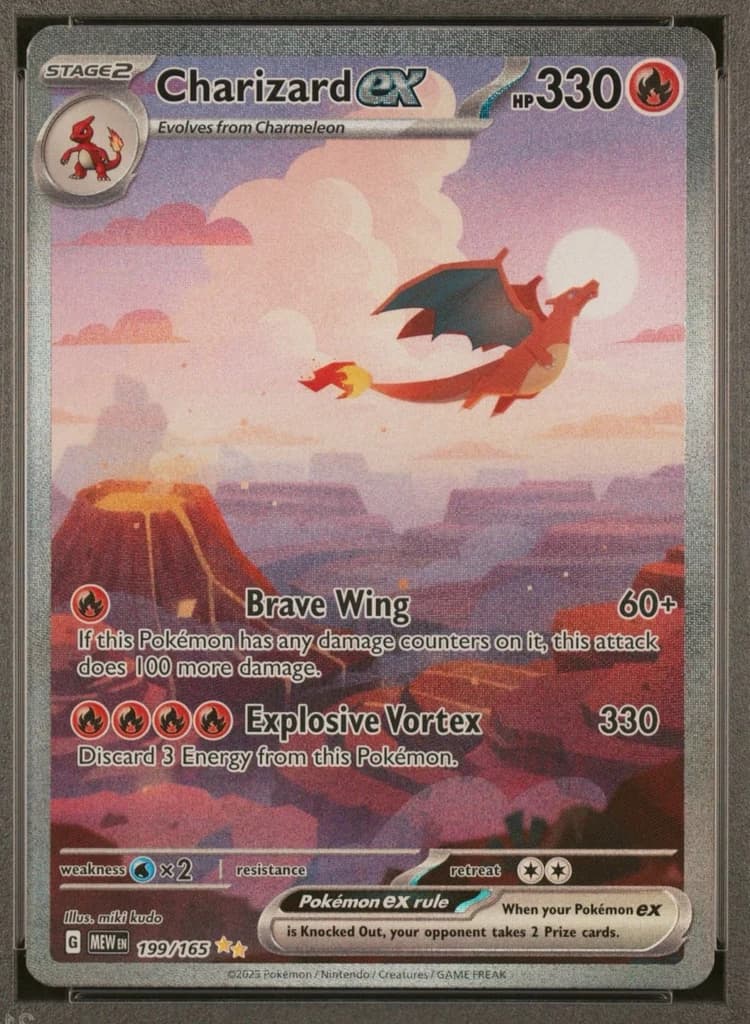
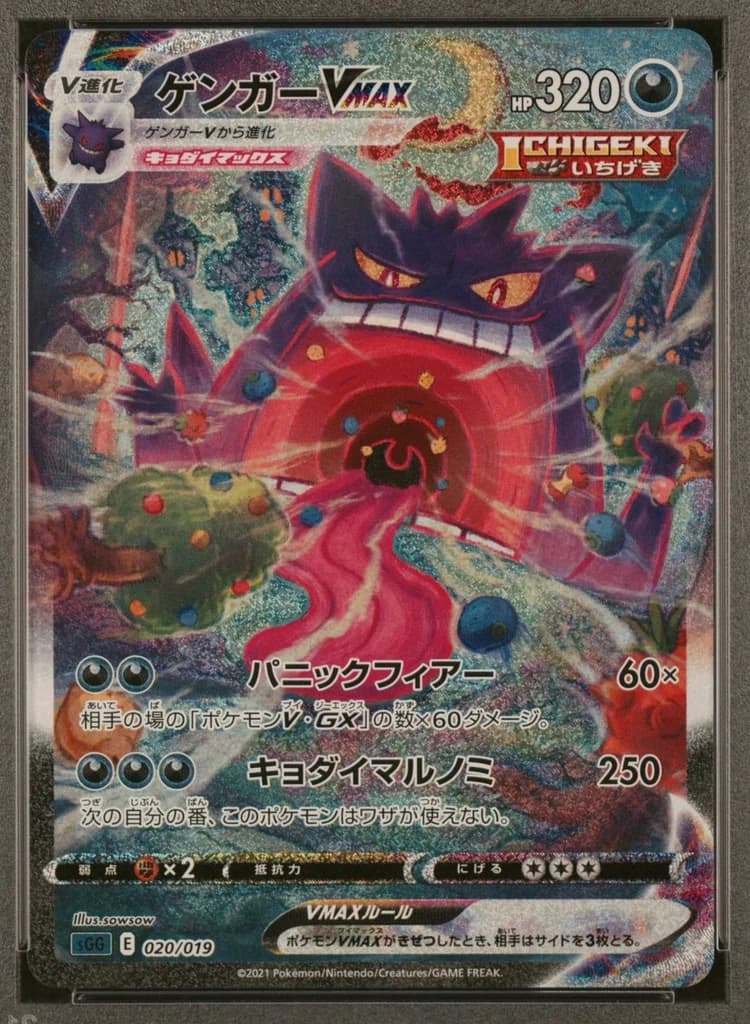


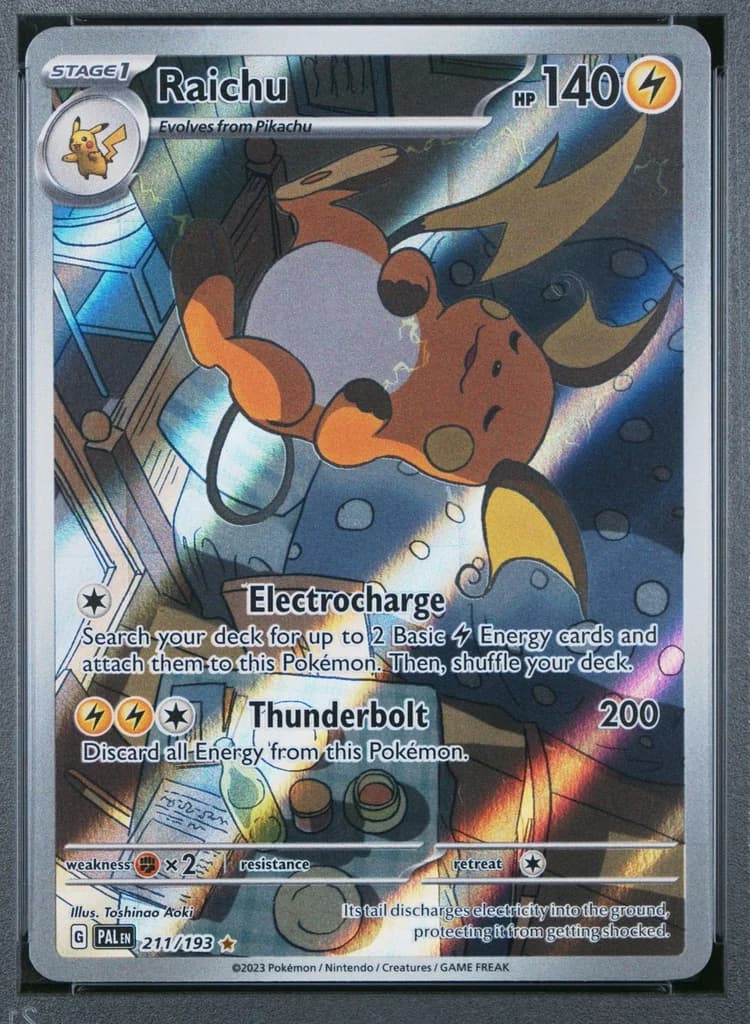




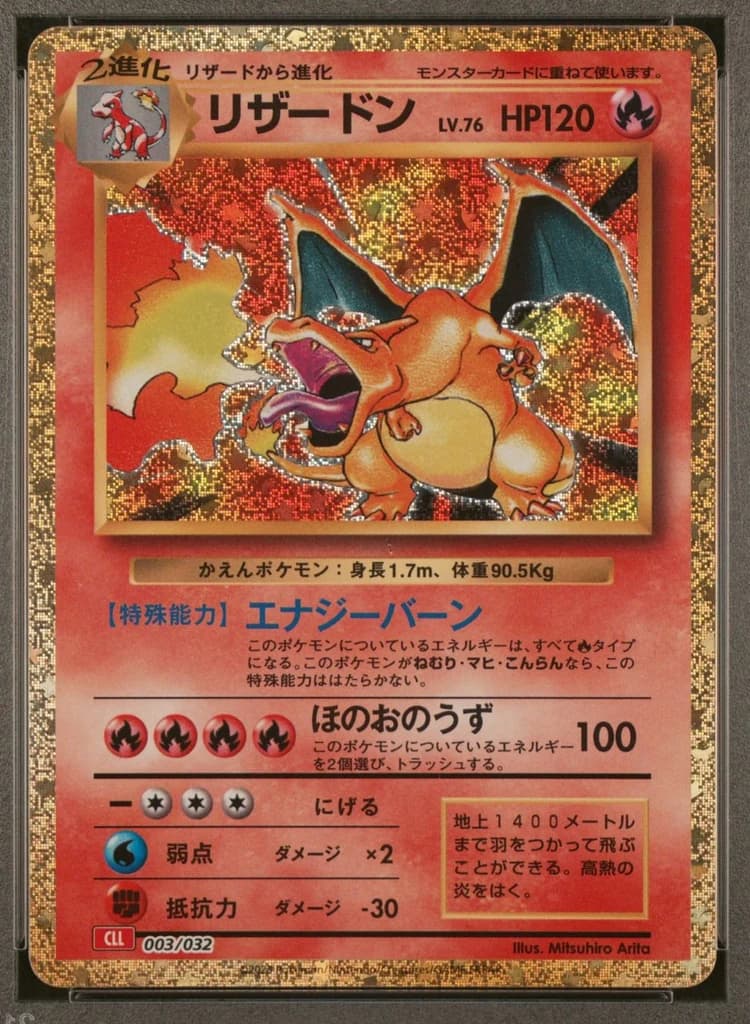
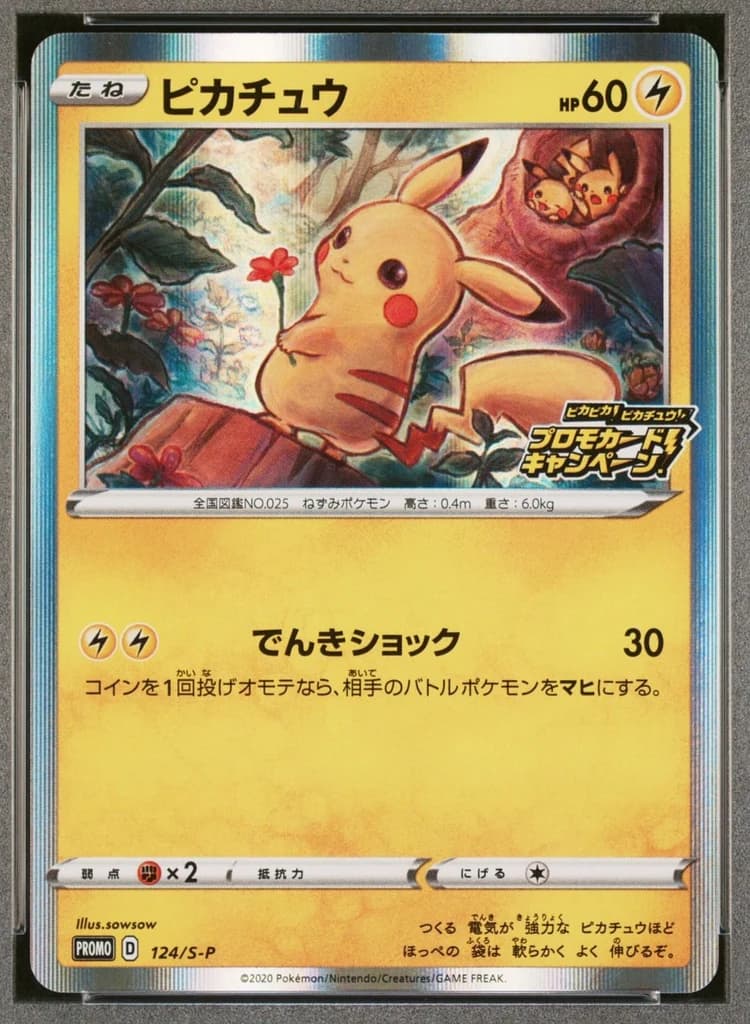








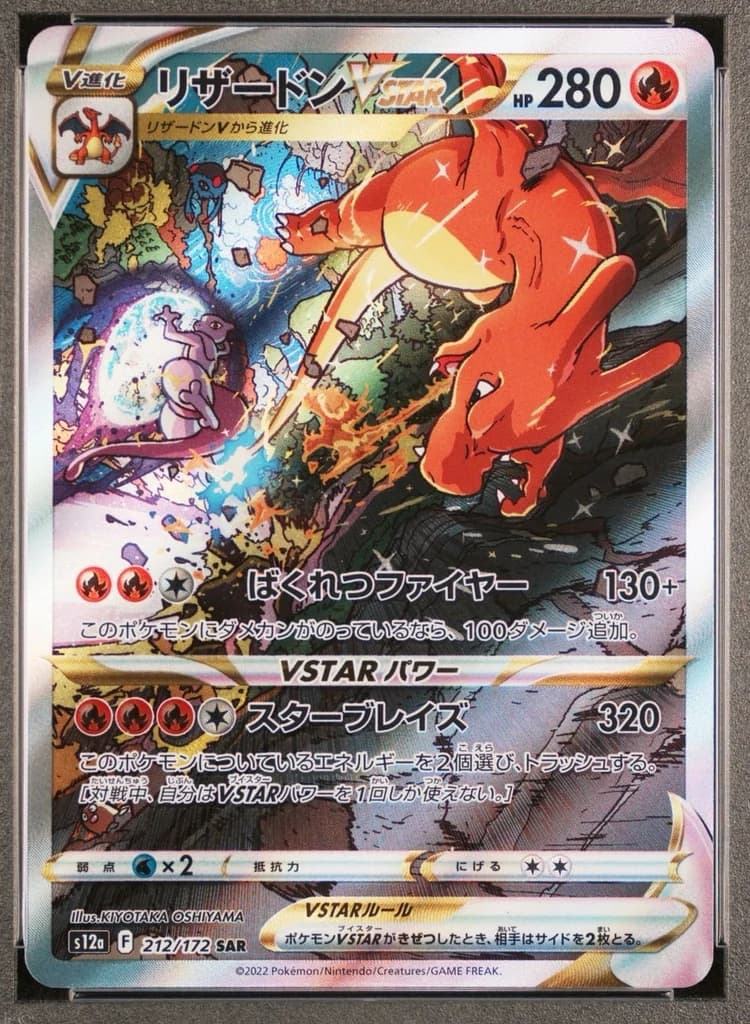
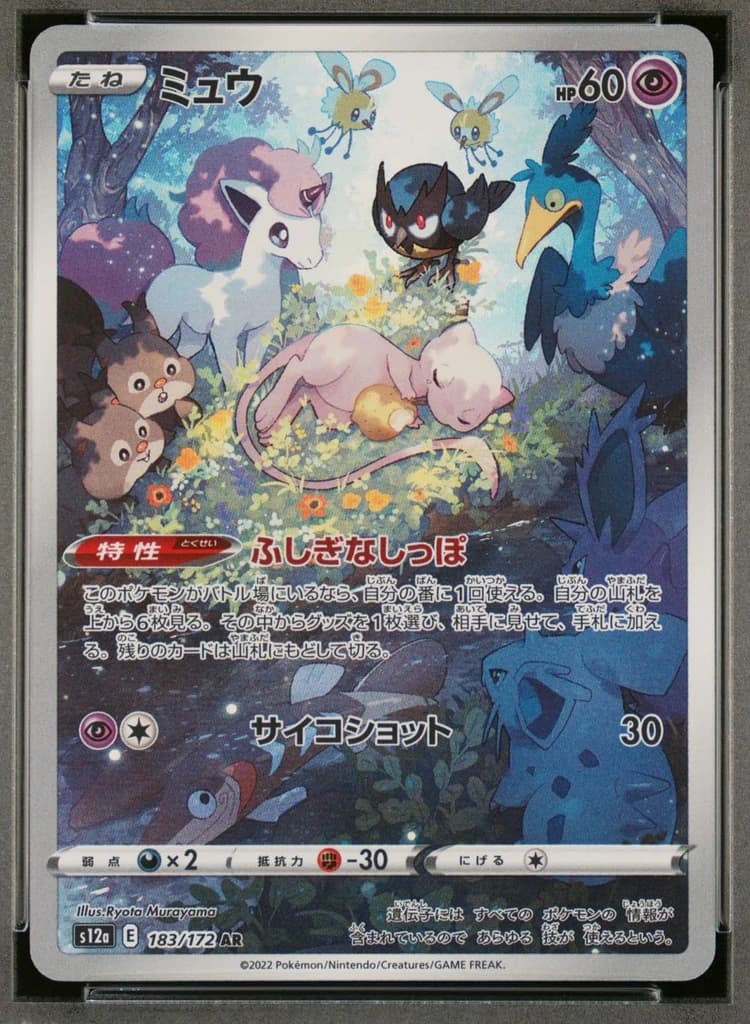
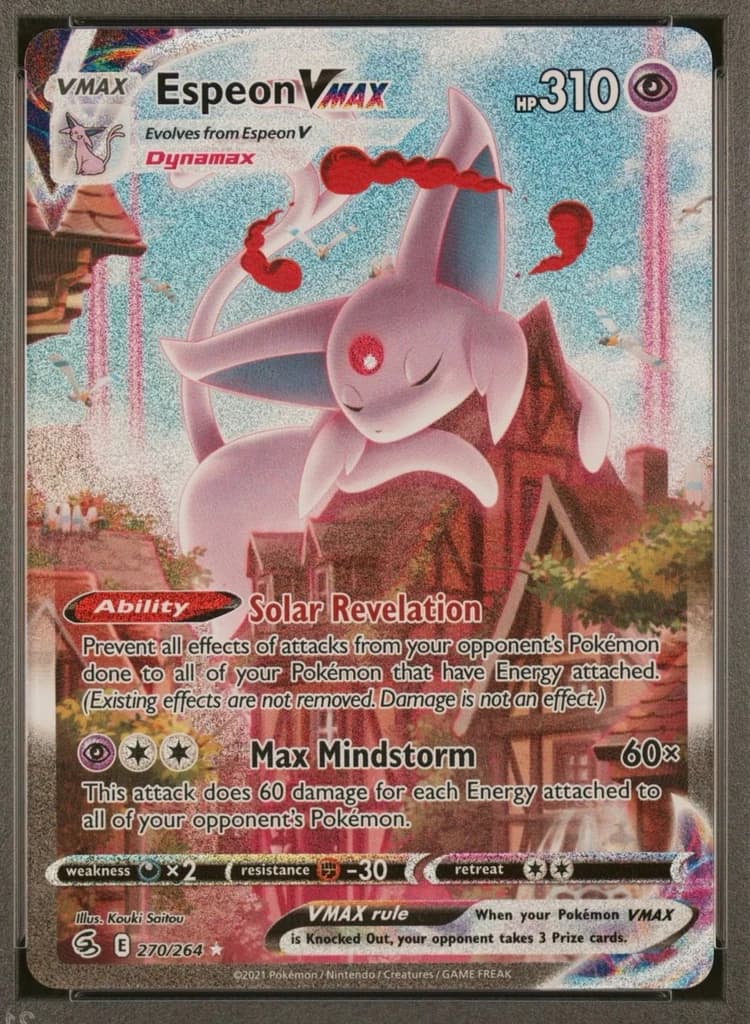




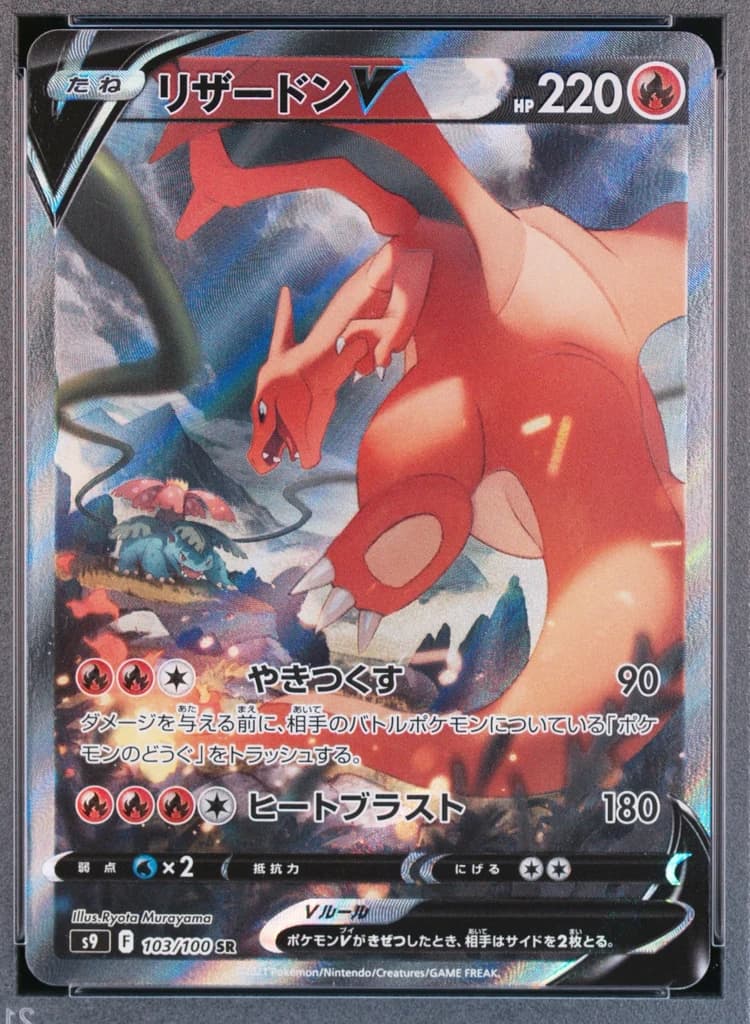


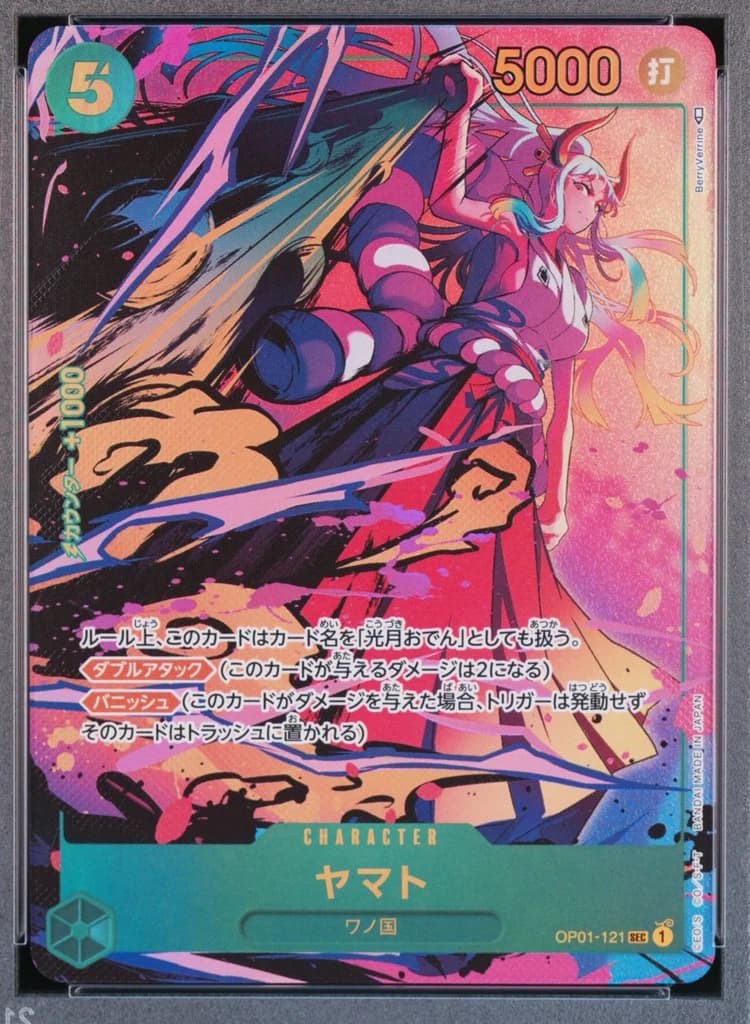
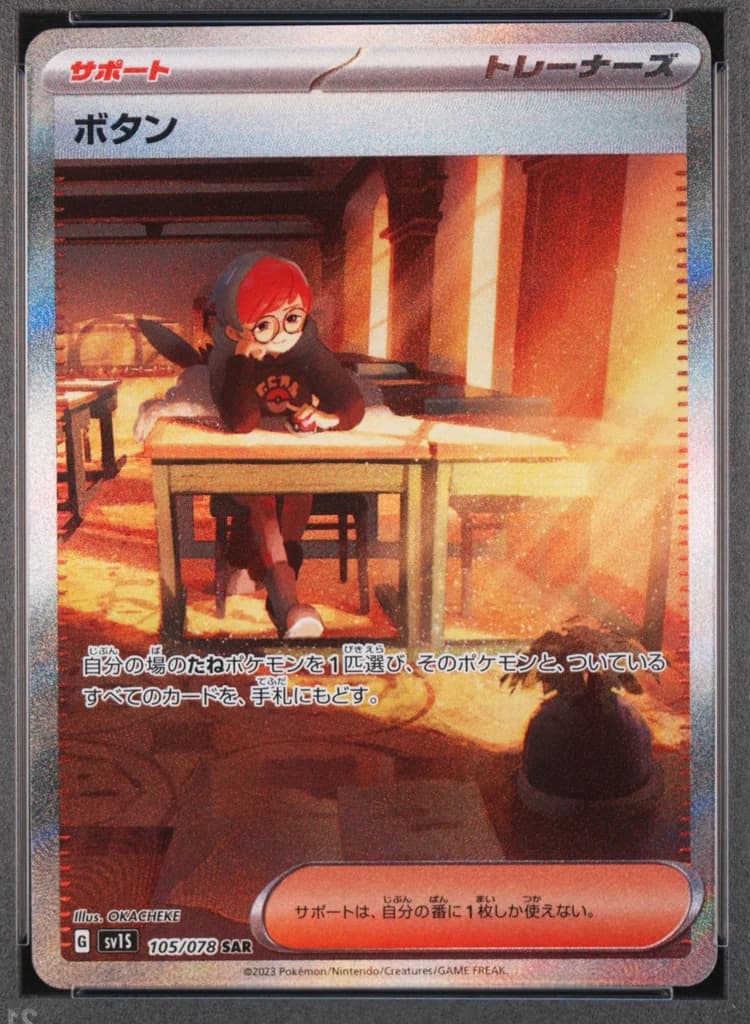


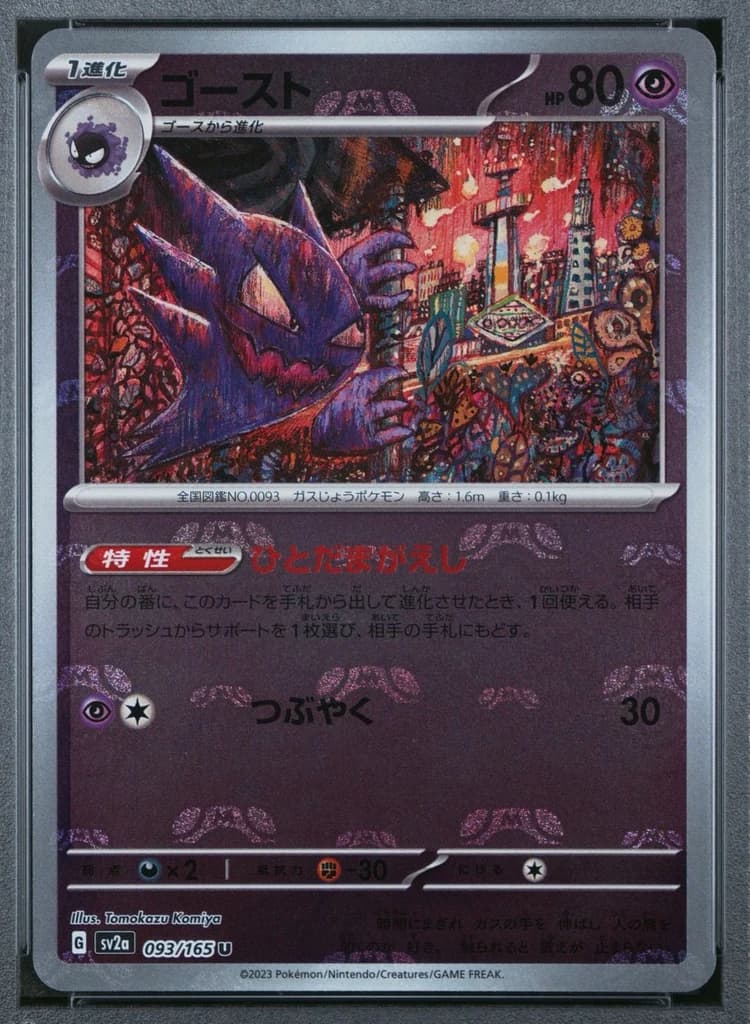


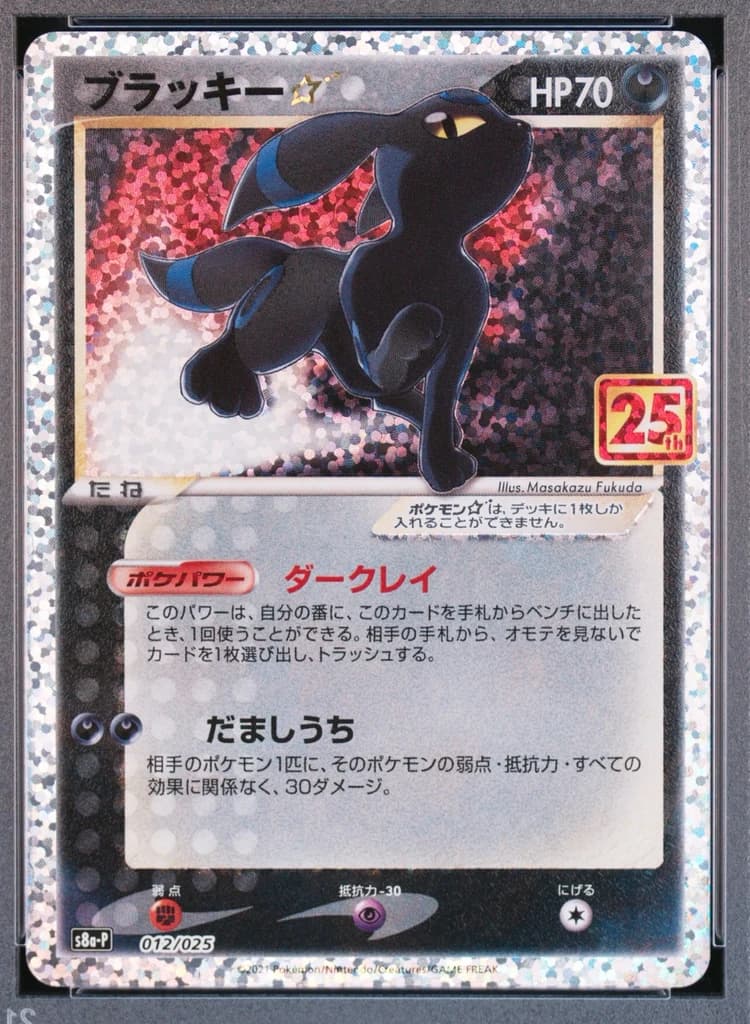
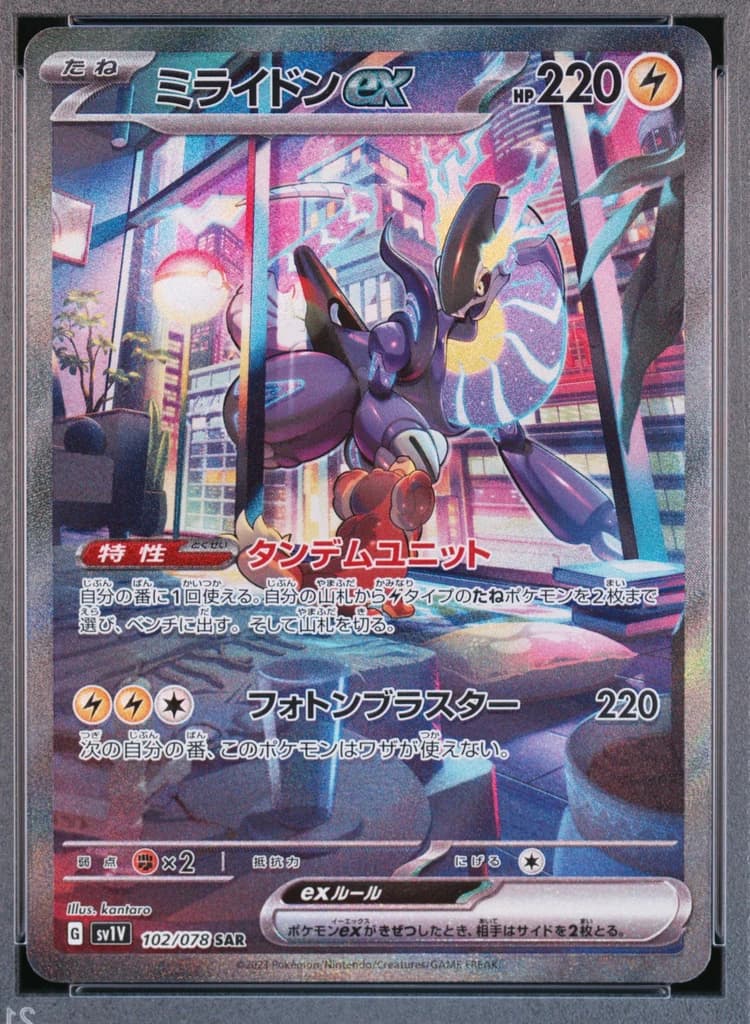

Each card was photographed front + back through the PSA slab at ~600 DPI-equivalent resolution. The card region was auto-detected via OpenCV LAB chroma and cropped, then sent to Claude Opus 4.8 Vision — the same model production /api/grade calls.
Vision identifies, classifies, and locates defects only. All scoring math (Scheme K piecewise-linear → axis-mean composite → bucket-floor → PSA-tier mapping) runs through the same deterministic rubric.py + scoring.py used in production.
Confidence band set to high_phone — through-slab plastic can lightly mask the finest hairline scratches; a flatbed scanner input would loosen this further. No tuning was performed against this batch; we ran the same per-axis scoring curve and PSA-tier thresholds used in production.
47 cards, not a calibration study. The batch is what we had on hand — all PSA-graded, concentrated in the PSA 9 / PSA 10 range. A genuine accuracy figure needs hundreds of cards across the grading range, including 6s and 7s; that work is ongoing. What this page shows is that on cards we can verify, the production pipeline lands on the right tier.
Test your own card for $0.99.
Same vision, same rubric, on your card. Report in under a minute.